German Running Influencer Market Insights
Paris has one of the fastest-growing influencer markets in Europe. With strong communities in fashion, food, travel, and technology, creators based in Paris play a major role in shaping consumer choices.
“Germany’s running influencer scene reflects both the country’s strong cultural emphasis on health and wellness and its dynamic social media landscape.
Across key cities such as Berlin, Dortmund, and Erlangen, running influencers engage audiences with a blend of motivational content, training tips, and personal journey stories.
These influencers range from micro-influencers with intimate engagement rates to macro-influencers who inspire large followings through authentic and diverse content.
The influencer community in German running is notably varied, including urban runners who share city route insights, trail enthusiasts showcasing endurance challenges, and social cyclists who combine running with other fitness activities.
This diversity aligns with Germany’s broad fitness culture that values not only physical performance but also mental health and holistic well-being. Engagement rates among running influencers in Germany tend to be strong, especially among micro-influencers who maintain close connections with their audiences.
Their content often incorporates localized references, fostering community and encouragement among followers. Instagram remains a primary platform, where influencers utilize high-quality visuals and storytelling to enhance motivation and share expertise.
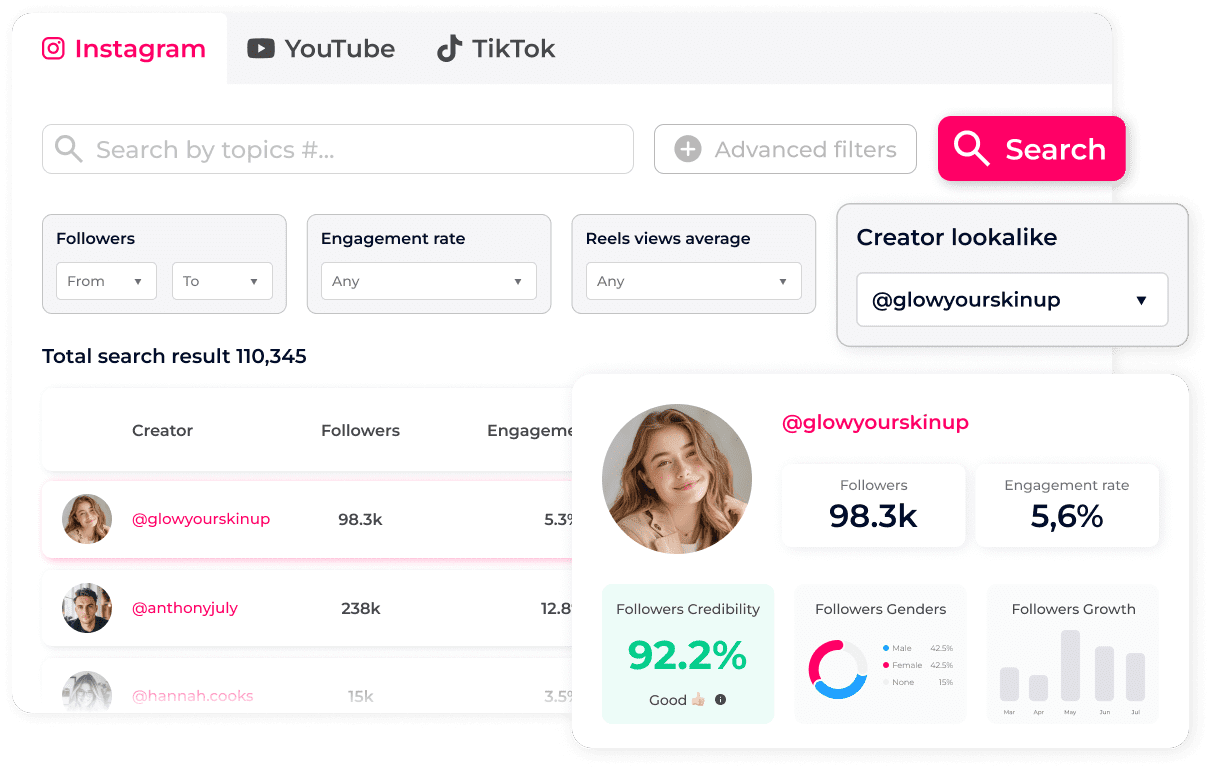
The landscape benefits from advanced technologies that help identify and verify running influencers by analyzing bios, location tags, and engagement metrics, ensuring relevancy and authenticity.
This sophisticated approach supports brands and followers seeking dependable sources of inspiration and advice within the running niche.
Overall, the German running influencer environment embodies a balance between passionate amateur athletes and professional runners, reflecting both the personal and communal spirit inherent to fitness culture in Germany.
They attract highly engaged audiences passionate about performance, health, and outdoor sports. Instagram dominates for training diaries and race updates. Strava is central for performance tracking. YouTube covers long-form training advice, marathon vlogs, and race recaps. No.
The scene mixes elite runners, semi-professionals, amateur marathoners, and beginners documenting their progress. Some critics point to performance pressure, unrealistic training expectations, and over-commercialization through constant gear sponsorships. Their credibility comes from personal achievement.
Followers trust their gear recommendations because they visibly train and compete. Trail running growth, urban run clubs, sustainable sportswear, and tech integration (heart rate monitors, GPS watches, running apps). Influencers often act as early adopters of new sports tech.

 Jules Carmaux